
When an actor takes on a real person, especially someone as culturally important as Miriam Makeba, learning the sound of the character is only the beginning.
Cynthia Erivo is currently filming The Road Home, a musical drama directed by Bill Condon. The film follows South African music legends Miriam Makeba and Hugh Masekela, alongside the story of Paul Simon’s Graceland project and the anti-Apartheid movement. Erivo is playing Makeba, while South African actor Thabo Rametsi plays Masekela. Variety reported on the casting and production.
Erivo’s casting initially led to debate in South Africa. Miriam Makeba, known as “Mama Africa”, was not simply a famous singer. She was a national icon whose voice, language, politics and cultural identity were inseparable from her public life.
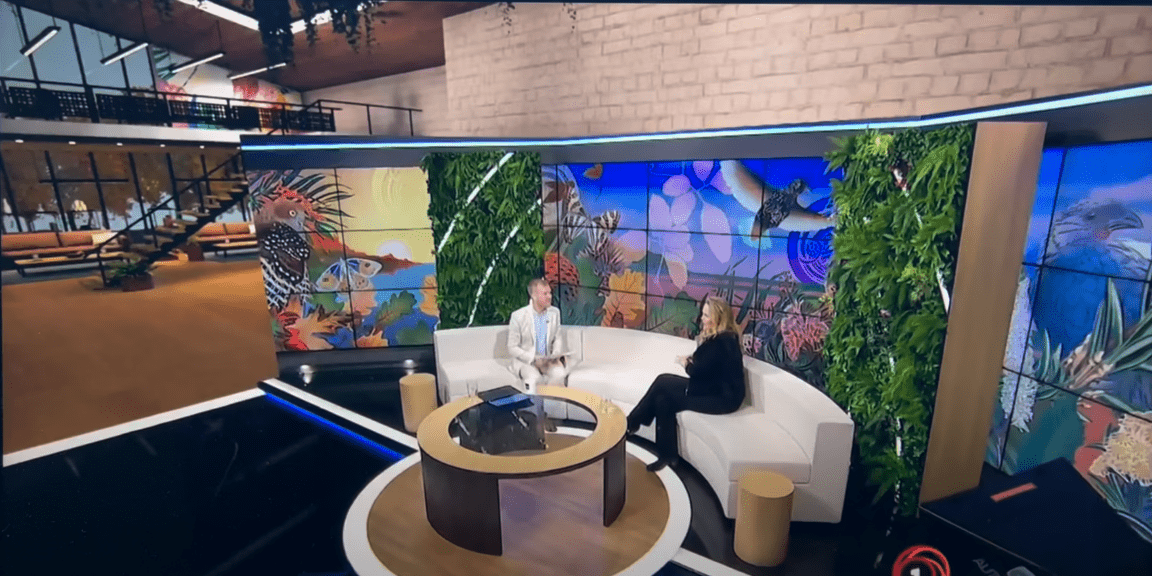
That is why Erivo’s preparation has attracted so much attention. At her National Book Festival appearance in Washington, D.C., she spoke about travelling to South Africa to learn isiXhosa. She also demonstrated the language’s click consonants, referring to Makeba’s famous song “Qongqothwane”, often known internationally as “The Click Song”. A clip shared after the event received encouraging reactions from many South Africans, although some viewers quite rightly pointed out that learning the clicks is only one part of the work. Briefly News reported on the clip and the public response.
As an accent coach, I think there is a great deal for every actor to learn from this preparation.
The difference between copying a sound and doing the work
Surface mimicry is when an actor copies the most noticeable features of a voice:
- A particular pitch
- A recognisable rhythm
- A few memorable pronunciation changes
- A gesture or vocal mannerism
- A sound that signals “this person is from somewhere else”
This can be useful as an initial starting point, but it is not the finished performance.
Genuine accent work is more detailed. It asks:
- Where does the voice sit physically?
- How does the speaker use rhythm and emphasis?
- Which sounds are natural in the language?
- What happens to the accent when the character is tired, emotional or under pressure?
- What cultural and personal experiences shape the character’s speech?
- Can the actor sustain the voice while listening, moving and responding truthfully?
That final point is important. An accent is not a costume that an actor puts on for a close-up. It needs to live inside the performance.
The aim is not to sound like a recording. The aim is to create a believable person who happens to speak in that way.

Why Erivo’s isiXhosa preparation matters
IsiXhosa is a language spoken widely in South Africa. It includes click consonants as part of its regular sound system. These are not decorative effects added to make a word sound unusual. They are meaningful speech sounds, just as “p”, “t” and “k” are meaningful sounds in English.The three main click letters in isiXhosa are commonly represented as:
- c – a dental click
- x – a lateral click
- q – an alveolar or palatal-alveolar click
In Qongqothwane, the “q” and “ngq” spellings involve the click series associated with the “q” sound. You can read more about the structure of isiXhosa clicks in this phonological research on Xhosa click acquisition.
For an actor, the lesson is not simply “learn how to make a click”. It is to understand that the click belongs to a complete language system.
That means listening to native speakers, working with appropriate language consultants and understanding how the sound functions within words and sentences. It also means avoiding the temptation to treat a culturally specific sound as a party trick.
Erivo’s preparation is interesting because she appears to have gone beyond copying an isolated noise. She travelled to South Africa, studied the language and connected it to Makeba’s music. That shows the kind of preparation that can lead to a more grounded performance.
Songs can teach actors how a voice moves
For musical roles, songs are incredibly valuable research material.
An actor preparing a singer should not only listen to the melody. Listen for:
- How the singer begins a phrase
- Where breath is taken
- How consonants are shaped
- How vowels change when sung
- How words are connected
- What happens to the voice during emotional peaks
- How the speaking voice relates to the singing voice
Makeba’s music gives Erivo access to more than pronunciation. It offers clues about her timing, vocal energy, phrasing and relationship with an audience.
This is especially important when working in another language. A song can help an actor feel the rhythm and musicality of a language before every line is fully understood. It can also reveal which sounds are carried, softened, stressed or repeated.
However, songs are not a replacement for language coaching. Singing often changes pronunciation, and performers may use stylistic choices that are different from everyday speech. The best preparation combines music research with conversation, interviews, native-speaker recordings and professional guidance.
Culture is part of the voice
When actors prepare for culturally specific roles, research should go beyond watching a few performances and copying the person’s appearance.
A respectful preparation process might include:
- Studying the person’s interviews, not only their famous performances
- Learning about the history surrounding the role
- Understanding the languages the person spoke and when they used them
- Listening to regional and generational differences
- Working with native speakers or specialist language coaches
- Asking what the production’s cultural consultants recommend
- Learning how the voice changes in public, private and professional settings
This is where the work becomes more than accent training. It becomes character research.
Miriam Makeba’s voice carried music, resistance, identity and international experience. An actor portraying her needs to consider how those different parts of her life may have influenced her voice. The performance cannot be reduced to a South African “sound”.
There is no single South African accent, just as there is no single British or American accent. A character’s voice is shaped by place, education, community, age, language history and personal choice.
 The Valentine Method: connection over costume
This is central to the Valentine Method, my approach to accent coaching.
I want actors to feel connected to the voice rather than frightened of getting every sound wrong. We begin with active listening, physical awareness and play. Then we apply the work directly to the script, the character and the circumstances of the scene.
The process is practical and relaxed, but it is not careless.
Connection over costume means:
- Listening before speaking
- Understanding before exaggerating
- Feeling the accent in the body
- Allowing the voice to support the character
- Practising with real performance material
- Building enough confidence to stay in the accent under pressure
This approach can help whether you are preparing to learn an American accent, learn British RP or work on a highly specific regional dialect. The same principle applies: do not collect surface sounds. Build a usable voice.
For British actors: your vowel placement is not universal
British actors often have a strong awareness of vowel placement, particularly if they have trained in Standard British or British RP. That can be a real advantage, but it can also become a trap.
Your default vowel position is not universal.
When you move into another accent or language, you may need to change:
- How open the jaw is
- How rounded the lips are
- Where the tongue sits
- How long the vowel lasts
- Whether the sound moves or stays steady
- How the vowel connects to the following consonant
For example, an actor accustomed to a particular British vowel may unconsciously carry that sound into every role. The result can be a performance that has the correct rhythm but the wrong vowel shape.
This is why recording yourself is so useful. Compare your voice with reliable recordings, then work with a dialect coach who can hear the small differences you may miss.
What actors can take from Erivo’s preparation
Cynthia Erivo’s work on The Road Home is a useful reminder that impressive accent preparation is rarely accidental.
The most valuable lessons are:
- Start early where possible.
A new sound system needs time to become comfortable. - Learn the language behind the sound.
Do not treat a click, vowel or rhythm as an isolated trick. - Study the culture and history.
Voice is connected to identity and experience. - Use songs carefully.
Music can reveal rhythm and vocal personality, but it should support: not replace: language work. - Practise under performance conditions.
You need to sustain the voice while acting, moving and listening. - Get expert feedback.
A good accent coach can help you make the voice natural rather than mechanical. - Stay open to correction.
Authenticity comes from listening, adjusting and continuing to learn.

Ready to make your next accent feel natural?
You do not need to wait for a major biopic to take your accent preparation seriously. Whether you have a self-tape next week or want to build a stronger accent range over time, consistent practice makes a difference.
You can explore weekly accent practice sessions, work through a DIY accent course at your own pace, or book personalised coaching built around your script and role.
And if the audition deadline is close, my rapid audition script recording service can give you a reliable reference to practise with.
The goal is not to wear an accent like a costume. It is to connect with the character so fully that the voice becomes part of the truth of the performance.